

Published
All articles
 12 Oct 2026Card surcharges and merchant fees in Australia: what businesses pay and what changed in October 2026Businesses paid an average total merchant fee of 1.00% of the transaction value on Visa credit cards in the June quarter 2026. Mastercard credit cards cost 0.99%. Mastercard debit cards cost 0.59% and…
 Inflation9 Oct 2026Understanding changes in the cost of livingAustralia’s inflation target is 2 to 3%, but most households do not experience inflation as a neat number.
 Employment9 Oct 2026Why the RBA watches the jobs market so closelyEmployment matters because it sits right at the centre of household life. For most people, wages, salaries or business income are what pay the rent, cover the mortgage, fill the trolley, keep the ligh…
 9 Oct 2026How is the Age Pension paid into an overseas bank account?The Age Pension is paid every four weeks to people who live outside Australia long term, according to Services Australia. A recipient who intends to be away for less than 12 months continues to receiv…
 9 Oct 2026What happens to Medicare and health insurance when Australians retire overseas?An Australian permanent resident who moves overseas stays enrolled in Medicare for 12 months from the date they first left Australia, according to Services Australia. A permanent resident who lives ov…
 9 Oct 2026What happens to the Age Pension and estate when a pensioner dies overseas?The death of an Australian overseas can be reported to the nearest Australian embassy, high commission or consulate, or to the Department of Foreign Affairs and Trade's (DFAT) Consular Emergency Centr…
 8 Oct 2026Married to a non-Australian: how a partner's income and assets affect the Age PensionA person is assessed as a member of a couple for the Age Pension if they are legally married, in a registered relationship or in a de facto relationship, providing they have not permanently separated,…
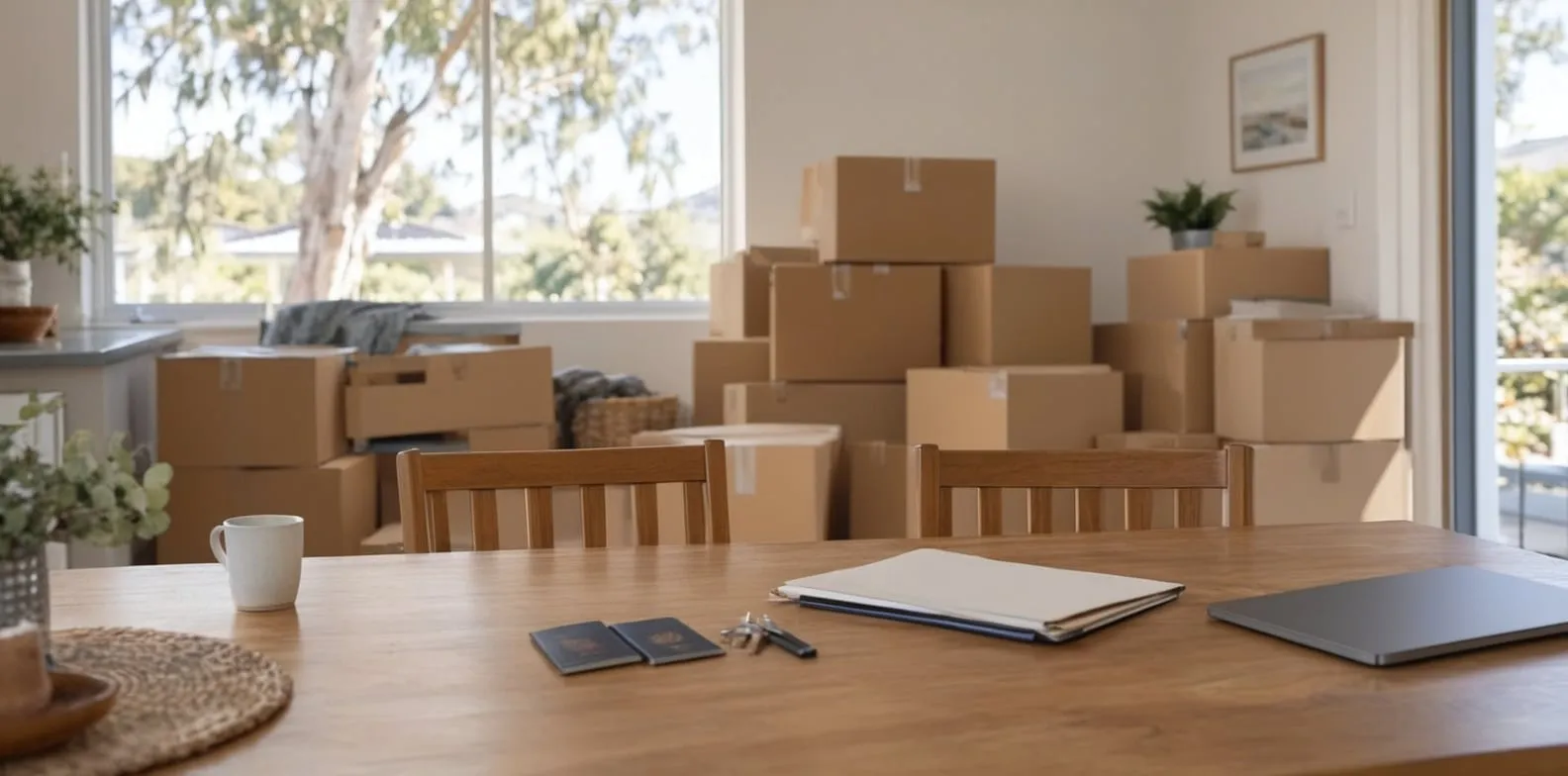 8 Oct 2026Selling an Australian home to buy overseas: how it affects the Age PensionProceeds from selling a principal home can be exempt from the Age Pension assets test for up to 24 months from settlement, provided they are intended to buy, build, rebuild, repair or renovate a new p…
 8 Oct 2026Retirement visas compared: Thailand, Malaysia and PolandThailand's Non-Immigrant O-A (long stay) visa is open to applicants aged 50 and over. According to the Thai Ministry of Foreign Affairs, applicants must have a bank deposit of at least 800,000 baht, a…
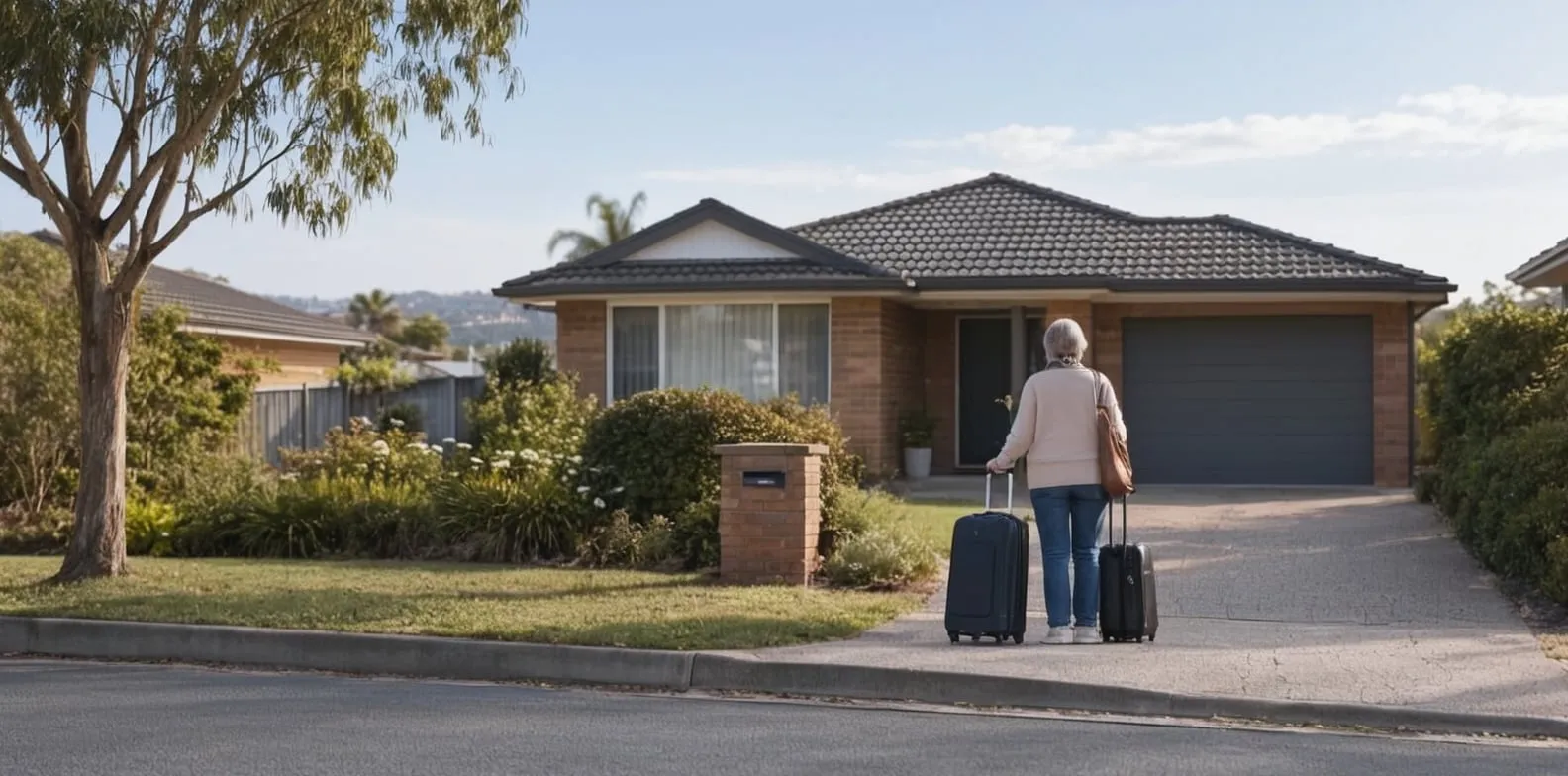 7 Oct 2026Keeping an Australian home after moving overseas: what happens to the Age PensionA principal home stops being exempt from the Age Pension assets test when its owner states they definitely do not intend to return. It also stops being exempt when a temporary absence for a reason oth…
 7 Oct 2026How overseas income and assets count in the Age Pension means testsAge Pension recipients have 14 days to report changes to their own or their partner's income or assets, including those held outside Australia. Changes can be reported online through a Centrelink onli…
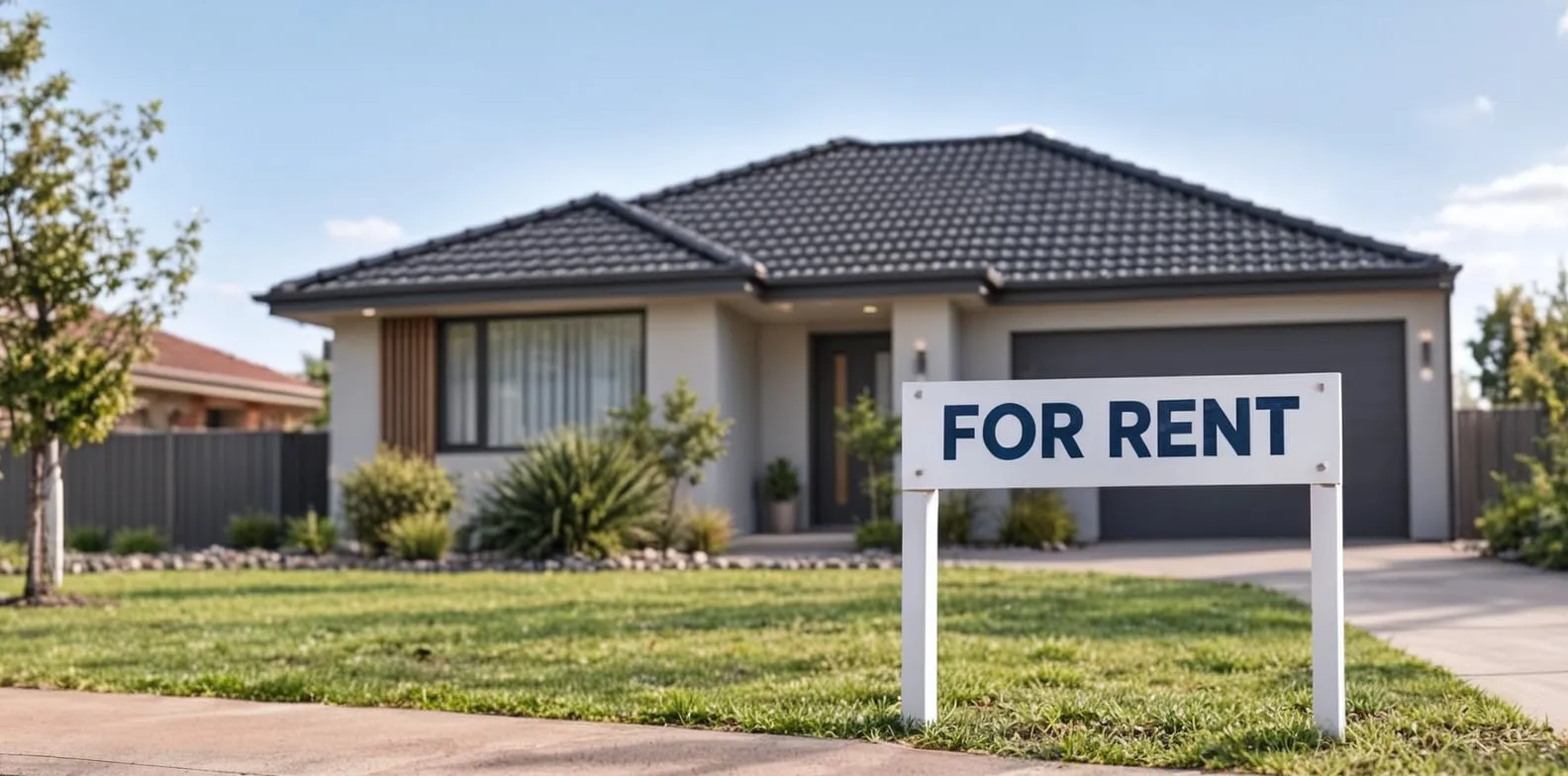 7 Oct 2026Renting out an Australian home while overseas: tax rates, deductions and the 6-year ruleA foreign resident for tax purposes must declare rental income from an Australian property in an Australian tax return, along with other Australian income such as Australian pensions and capital gains…
 7 Oct 2026Selling a home to retire overseas: capital gains tax and the Age PensionA foreign resident for tax purposes who sells an Australian home after 30 June 2020 cannot claim the capital gains tax (CGT) main residence exemption, unless the life events test is met, according to…
 6 Oct 2026Double tax agreements: how Australia, Thailand, Poland and Malaysia tax a retiree's pension and investment incomeAccording to the Australian Taxation Office (ATO), a double tax agreement reduces or eliminates double taxation by setting out which country can tax different types of income, such as pensions, intere…
 6 Oct 2026Retiring overseas from Australia: tax residency, super and Age Pension rulesA retiree who moves overseas stops being an Australian resident for tax purposes when they no longer reside in Australia and do not meet any of the three statutory tests, according to the Australian T…
 6 Oct 2026Super pension or lump sum before retiring overseas: tax, Age Pension and currency rulesAustralian super can be taken as a lump sum, as a super income stream such as an account-based pension, or as a combination of both once a person meets a condition of release, according to the ATO. Th…
 6 Oct 2026Does retiring overseas end Australian tax residency?Australian tax law sets four residency tests, and a person who meets any one of them is an Australian resident for tax purposes, according to the Australian Taxation Office (ATO). A person who meets n…
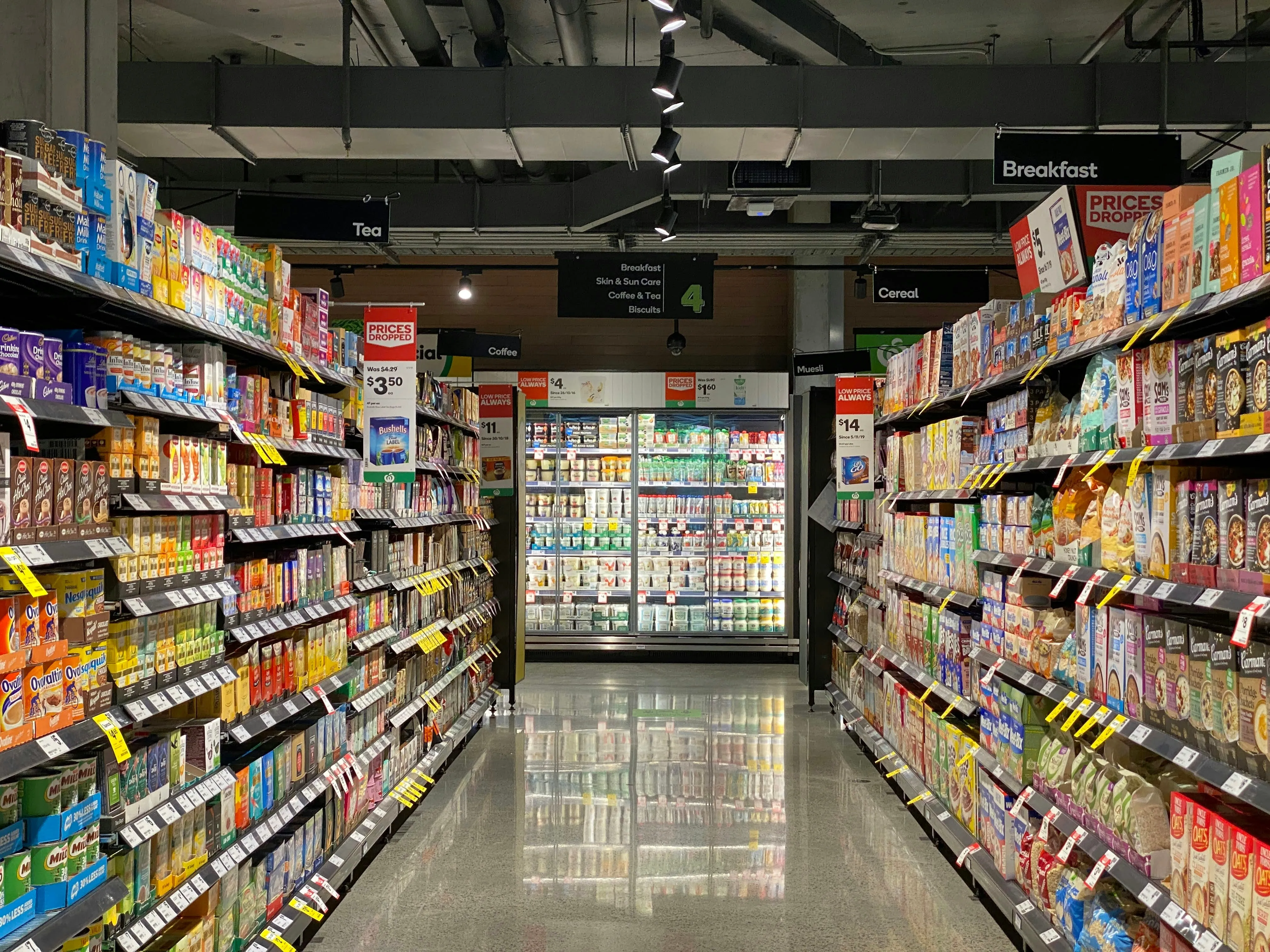 Spending5 Oct 2026What everyday spending says about the economySpending is one of the clearest ways to see how households are feeling.
 5 Oct 2026Can Australian super be accessed while living overseas?Moving overseas is not a condition of release for superannuation, so Australian citizens and permanent residents who leave Australia cannot withdraw their super until they meet a standard condition of…
 5 Oct 2026How much super do Australians need to retire overseas?Moneysmart, the consumer website of the Australian Securities and Investments Commission (ASIC), gives a rule of thumb of around 70% of working-life income for retirement, and states that there is no…
 5 Oct 2026How is Australian super taxed for non-residents?A super lump sum paid to a person aged 60 or older carries no Australian tax on its tax-free component or its taxed element, which the ATO treats as non-assessable, non-exempt income.
 Pension2 Oct 2026Splitting retirement between Australia and another country: Age Pension, tax and Medicare rulesAge Pension recipients can stay outside Australia for up to 26 weeks before their rate depends on how long they were Australian residents, according to Services Australia. A recipient with 35 years or…
 2 Oct 2026The cheapest countries to retire on the Australian Age PensionThe maximum Age Pension for a single person living outside Australia is A$29,520.40 a year from 20 September 2026, according to Services Australia. A couple who are both eligible can receive up to A$4…
 2 Oct 2026How do exchange rates change the value of the Age Pension overseas?The Age Pension for a single person living outside Australia is set in Australian dollars, with a maximum basic rate of A$29,520.40 a year from 20 September 2026, according to Services Australia. The…
 2 Oct 2026How far does Australian retirement income go in Thailand, Poland and Malaysia?The maximum basic rate of Age Pension for a single person living outside Australia long term is A$29,520.40 a year from 20 September 2026, according to Services Australia. For a couple who are both el…
 Pension1 Oct 2026Can a person live overseas and still get the Australian Age Pension?The Age Pension can generally continue to be paid for as long as a recipient is outside Australia, whether the absence is temporary or permanent, provided the person continues to qualify under the inc…
 Pension1 Oct 2026How much Age Pension is paid to Australians living overseas?An Age Pension paid to a person who has been outside Australia for more than 26 weeks is generally paid without a residence-based reduction only if the person has 35 years of Australian working life r…
 Pension1 Oct 2026Which countries have a social security agreement with Australia?A social security agreement lets a person lodge a claim for certain pensions from Australia or the other country, regardless of which of the two countries they live in, according to the Department of…
 Spending15 Sep 2026Average savings in Australia by age: 2025 dataThe household saving ratio peaked at 15.0% in 2020–21, the highest level since records began. By 2023–24, it had fallen to 3%, a drop of 12 percentage points from the 2020–21 peak. It partially recove…
 11 Sep 2026SME lending statistics: how much small and medium businesses borrow in AustraliaLending outstanding to small businesses was $208.0 billion at 30 June 2026, while medium businesses had $584.9 billion outstanding, bringing combined SME lending to $792.8 billion, according to the Re…
 7 Sep 2026Business banking market share in Australia: four major banks' share of business loans and depositsThe four major banks accounted for 70.3% of the loans to non-financial businesses on the Australian books of authorised deposit-taking institutions (ADIs) at 31 July 2026. The Australian Prudential Re…
 7 Sep 2026Business insolvencies in Australia: how many companies enter external administration each yearA total of 14,153 companies entered external administration or had a controller appointed for the first time in the 2025-26 financial year, according to the Australian Securities and Investments Commi…
 7 Sep 2026Business loan rejection rates in Australia: how many businesses do not obtain finance?Businesses that sought debt or equity finance and did not obtain it made up 1.9% of all employing businesses in Australia in 2024-25, according to the Australian Bureau of Statistics (ABS). Businesses…
 7 Sep 2026Business loan interest rates in Australia: what small, medium and large businesses payThe average interest rate on outstanding small-business loans was 7.46% in July 2026, compared with 6.21% for medium businesses and 5.74% for large businesses. New loans funded in July 2026 averaged 7…
 7 Sep 2026Commercial property lending statistics: how much Australian banks lend by sectorAuthorised deposit-taking institutions (ADIs) had $487.6 billion of commercial property exposures at 31 March 2026, according to the Australian Prudential Regulation Authority (APRA). Exposures grew b…
 7 Sep 2026Equipment finance statistics Australia: how much businesses borrow for plant, equipment and vehiclesSmall businesses committed to $5.54 billion of new fixed-term loans for plant and equipment in the June quarter 2026, according to the Australian Bureau of Statistics (ABS) Lending Indicators. Medium…
 7 Sep 2026Non-bank business lending statistics Australia: how much business credit is outside the banksNon-bank lenders accounted for 11.2% of non-financial business credit in Australia in December 2025, according to the Reserve Bank of Australia (RBA). Their share of housing credit was 4.0% and their…
 7 Sep 2026How many businesses are there in Australia? Entries, exits and survival ratesAustralia had 2,814,778 actively trading businesses at 30 June 2026, according to the Australian Bureau of Statistics (ABS) Counts of Australian Businesses data. The number grew from 2,729,648 at 30 J…
 24 Aug 2026Term deposit rates in Australia: current rates and historyThe Reserve Bank publishes monthly averages of the five largest banks' term deposit rates for a $10,000 deposit. In July 2026, the average across all terms was 3.60 per cent. The five published terms…
 Tax23 Aug 2026Land tax in Australia by state: thresholds, rates and revenueEvery Australian state, as well as the ACT, levies an annual tax on landholdings. The Northern Territory is the exception. Its government states that there is no land tax in the NT and that there is l…
 23 Aug 2026Negative gearing in Australia: how many people use it and what it costsRental property ownership is measured in the ATO's annual Taxation statistics, and on the rental schedule basis, 2,335,540 people held an interest in a rental property in 2023–24. That was 14.1 per ce…
 23 Aug 2026The RBA cash rate history: every change since 1990The Monetary Policy Board left the cash rate target unchanged at 4.35 per cent at its August 2026 meeting. The Board said financial conditions had tightened following three cash rate increases in 2026…
 Tax23 Aug 2026How are rental property income and expenses taxed in Australia?The ATO requires owners to declare rental income from Australian and overseas properties, short-term rentals, sharing platforms and part or all of the owner's own home. Individuals reported $62.2 bill…
 23 Aug 2026Savings account rates in Australia: the average rate vs the headline rateIn July 2026, the average bonus savings rate at the five largest banks was 4.80 per cent, assuming all bonus conditions were met. The average online savings rate at prominent providers was 3.10 per ce…
 Tax21 Aug 2026Is Australia a high-tax country? How it compares with other OECD countriesAustralia's tax-to-GDP ratio was 29.9% in 2023–24, the latest OECD figure available for Australia, up 0.6 percentage points from 29.3% the year before. The ratio counts the tax collected by all levels…
 Tax21 Aug 2026GST in Australia: how much revenue it raises and how the 10% rate compares to the worldThe GST raised $94.8 billion for the Commonwealth in 2024–25, on the accrual measure in the ABS government finance statistics. That was 14.0% of the Commonwealth's $675.2 billion of taxation revenue,…
 21 Aug 2026How much do superannuation tax concessions cost in Australia?Money can enter superannuation in two ways, and the tax treatment differs between them. Concessional contributions are made from before-tax income. They include compulsory employer contributions. The…
 20 Aug 2026Company tax in Australia: rates, revenue and who paysFor most companies, Australia has two headline company tax rates. The full rate is 30%, and it applies to every company that is not a base rate entity. Base rate entities pay 25%, and have done so sin…
 Tax20 Aug 2026Tax deductions, tax offsets and tax refunds: what is the difference?A tax deduction is subtracted from income before any tax is worked out. The ATO's formula is assessable income minus allowable deductions equals taxable income, and income tax is then calculated on th…
 20 Aug 2026How do Australian income tax brackets work?A marginal income tax rate is the rate that applies to the next dollar of a person's taxable income. Australia's resident tax scale for 2026–27 has five brackets: taxable income up to $18,200 is not t…
 19 Aug 2026The new $1,000 tax deduction: how the standard deduction worksThe standard deduction is applied automatically for eligible taxpayers, up to $1,000, and is reduced dollar for dollar by any covered work-related expenses they itemise in their return. A new section…
 18 Aug 2026How much income tax does the average Australian pay?The median net tax bill was substantially lower than the average. The median taxable individual paid $14,993 for 2023–24, about 60% of the $24,888 average, because very large bills at the top pull the…
 Tax18 Aug 2026What triggers capital gains tax in Australia?When a person stops owning an asset, or certain rights over an asset are created or ended, tax law calls that a CGT event: the point at which a capital gain or loss is made.
 Tax18 Aug 2026Capital gains tax in Australia: how much is paid, and who pays itIndividuals reported $40.6 billion in net capital gains in 2023–24. The ATO's Taxation statistics 2023–24 record a net capital gain label of $40,599,125,002 across 1,324,862 returns, up 2.5% from the…
 Tax18 Aug 2026Australian income tax brackets: the full history since 1983The 2026–27 scale changed in one respect from 1 July 2026. The rate on income between $18,201 and $45,000 fell from 16% to 15% on 1 July 2026 under the Treasury Laws Amendment (More Cost of Living Rel…
 Tax17 Aug 2026What is the average tax refund in Australia?The mean refund of $3,052 is pulled upwards by a small number of large refunds, while the median refund was $1,609: more than half of all refunds were under $2,000. Both figures relate to individual i…
 Insurance21 Jul 2026Average contents and landlord insurance costs in AustraliaThe ACCC’s June 2026 insurance monitoring report puts the national average home contents insurance premium at $531 in 2024-25, up 20.1% since 2021-22, with premiums varying sharply by region and cyclo…
 Insurance20 Jul 2026Pet insurance statistics Australia 2026: household spending and uptakeTotal national spending on pet insurance reached approximately $1.0 billion. Separately, the ABS price index for veterinary and other pet services rose by approximately 62% between the March quarters…
 Spending20 Jul 2026How much have insurance premiums increased in Australia?Home insurance claims also rose sharply in 2025. Gross home insurance claims incurred reached $13.9 billion, up 61% on 2024 and the highest annual total in APRA's current reporting series. Claims rose…
 Tax17 Jul 2026How does the Australian tax system work?Australian governments collected $839.0 billion in tax revenue in 2024–25, according to the ABS. The Commonwealth collected 80.5% of that total, compared with 16.6% for state and territory governments…
 Insurance17 Jul 2026Car insurance costs in Australia in 2026The ABS Insurance expenditure class rose 5.5% over the year to May 2026, while motor vehicle theft rose 8% nationally in 2024. Compulsory third party prices are published separately by jurisdiction, v…
 Insurance17 Jul 2026Average health insurance cost in Australia in 2026Combined hospital and extras cover for a single person had a mean listed premium of $3,632 a year, or $303 a month, in 2026. The equivalent mean listed premiums were $7,154 a year, or $596 a month, fo…
 Spending17 Jul 2026Average insurance cost in Australia in 2026Insurance prices have risen much faster than wages over the past decade. The ABS Insurance Consumer Price Index increased by approximately 73% between March 2016 and March 2026, compared with approxim…
 Tax17 Jul 2026The 50% CGT discount vs indexation: the numbers behind the 2026 reformThe Treasury Laws Amendment (Tax Reform No. 1) Act 2026 and the Income Tax Rates Amendment (Tax Reform No. 1) Act 2026 introduce cost base indexation and a 30% minimum tax on eligible real gains from…
 Housing8 Jul 2026Average house deposit Australia 2026: how much do buyers need?The estimated average deposit gap in Australia was about $352,500 at the end of 2025, equal to roughly 32.4% of the average property price. That figure has risen by about 96.7% since 2015.
 Housing8 Jul 2026How much does it cost to buy a house in Australia?Applying a 5% allowance for non-deposit upfront costs to the national median house price of $925,500 adds around $46,275 to the cash required at settlement. On the national mean dwelling price of $1,1…
 Housing8 Jul 2026How much does it cost to own a home each year in Australia?Owning a home in Australia costs more than the mortgage. On top of the modelled repayment on the average new owner-occupier loan, at $4,369 per month in the March quarter of 2026, homeowners pay counc…
 Housing8 Jul 2026Stamp duty by state: how much do home buyers pay in Australia?For most home buyers, stamp duty is the single biggest upfront cost after the deposit, adding between $28,949 and $54,151 at average state dwelling prices in March quarter 2026. It is a state governme…
 Spending8 Jul 2026HECS debt by degree, field of study and gender in AustraliaHECS-HELP is the loan that covers the student contribution for a Commonwealth supported place, commonly known as HECS, where the government subsidises part of the course cost. In 2026, that contributi…
 Spending8 Jul 2026How HECS has changed since 1989: debt, fees and policy over timeHECS began in 1989 with a flat annual charge of $1,800, a compulsory repayment threshold of $22,000, and a maximum repayment rate of 3% of income for the highest earners. That single, flat-rate design…
 Housing3 Jul 2026Which Australian capital city is most affordable for buying a house?A typical established house costs between 5.60 and 11.79 times yearly household income across Australia's capital cities, with the lowest ratio in Darwin and the highest in Sydney. The measure divides…
 Spending3 Jul 2026Average HECS debt in Australia in 2026: how much do students owe?The average outstanding HELP debt in Australia was $27,739 in the 2024-25 financial year, up slightly from $27,641 the year before and 165% higher than two decades ago. Across the country, 2,962,650 d…
 Spending3 Jul 2026How HECS indexation works in Australia, and how it has changed debts over timeIndexation applies once a year, on 1 June, to the part of a loan balance that has remained unpaid for more than 11 months. Debt taken on within the previous 11 months is not yet indexed, and indexatio…
 Spending3 Jul 2026How long does it take to repay HECS debt in 2026?The minimum income needed to start repaying a HECS-HELP debt is $69,528 in the 2026–27 financial year, up from $54,435 just two years earlier. From 1 July 2025, compulsory repayments are calculated on…
 Housing3 Jul 2026Most affordable states for first-home buyers in 2026Tasmania had a mean dwelling price of $750,300 in the March quarter 2026, the lowest of any state and 32.5% below the national average of $1,111,100. Victoria was next at $947,100, followed by South A…
 Spending2 Jul 2026Credit card debt in Australia: how much is owed?Australians had $44.2 billion owing on credit and charge card accounts in February 2026, spread across 12.2 million accounts. That puts the country 16.6% below the all-time peak of $52.9 billion in No…
 Cost of living2 Jul 2026Australian electricity costs 2026: average bills, prices and household spendingAustralian household electricity usage was valued at $23.9 billion in 2024–25, up from $11.674 billion in 2009–10. That represents an increase of around 105% in nominal terms over 15 years.
 Spending2 Jul 2026Average grocery bill in Australia: what households spendThe average Australian household spends $178 a week on groceries in 2025, up from $168 in 2024 and $160 in 2023. Over three years, that is an $18 rise at the checkout, or roughly $936 more a year.
 Housing2 Jul 2026Average mortgage repayment in Australia: what homeowners pay each monthThe repayment for a new owner-occupier loan in Australia is around $4,006 a month, or $924 a week, based on a 30-year principal-and-interest term. The estimate uses the average 2025 loan size of $693,…
 Housing2 Jul 2026Average rent in Australia 2026: rent by state and cityAustralian rent inflation eased to 3.8% year-on-year in February 2026, down from a peak of 7.8% in August 2023. The pace of rent growth has roughly halved over the past 30 months, although rents thems…
 Employment2 Jul 2026Average salary in Australia 2026: wages, median pay and weekly earningsThe average full-time adult worker in Australia earned $2,051.10 per week in base pay, known as ordinary time earnings, as at November 2025. That is equal to $106,657 per year. This is the most widely…
 Income & earnings2 Jul 2026Average salary by age group in Australia in 2026Australian employees earned an average of $1,611 per week in May 2025, or roughly $83,800 a year. This figure covers all employees, including full-time, part-time, permanent and casual workers across…
 Income & earnings2 Jul 2026Average salary by state and territory in Australia in 2026The national average for full-time adult ordinary time earnings was $2,051 a week in November 2025. That works out to about $106,657 a year on a 52-week basis.
 Interest rates2 Jul 2026How borrowing power is calculated in AustraliaResidential mortgages account for over 60% of Australian bank loan portfolios, but there is no single published figure for borrowing power. Instead, banks assess borrowing capacity using rules and dat…
 Spending2 Jul 2026Cost of living in Australia: what households spent in 2025Australian households spent a combined $923 billion across tracked consumer categories in 2025, up 52% from $606 billion in 2016. When housing costs are included, the average household is estimated to…
 Property2 Jul 2026Australian first-home buyers: who's buying, borrowing and using government supportMore than 119,000 Australians took out their first home loan in 2025, up from 83,441 a decade earlier. The high point for the decade was 162,808 loans in 2021, when low interest rates and expanded gov…
 Macro2 Jul 2026What is considered a high income in Australia in 2026?Australia doesn't have a single official definition of a high income. Three separate government thresholds each serve a different purpose, ranging from $101,000 for singles under the Medicare levy sur…
 Housing2 Jul 2026Australian Home Insurance Statistics 2026The December 2025 quarter was the heaviest period for home insurance claims. Insurers incurred $5.45 billion in gross claims against $4.33 billion in gross accrued premium, meaning claims cost more th…
 Housing2 Jul 2026Australian mortgage statistics 2026Australia had about 9.3 million occupied private dwellings at the 2021 Census. Of these, around 3.24 million (35.0%) were owned with a mortgage, 2.87 million (31.0%) were owned outright, and 2.84 mill…
 Housing2 Jul 2026Australian home ownership statistics: how many Australians own their home?The 2021 Census counted 10,852,208 occupied private dwellings across Australia. Roughly two in three were owner-occupied, split almost evenly between households that own outright and those still payin…
 Property2 Jul 2026How long does it take to save a house deposit in Australia?In the March 2026 quarter, Australia’s mean dwelling price reached $1,111,100, up from $677,475 in 2017. A 20% deposit on the national mean home is now $222,220.
 Spending2 Jul 2026Australian Savings Statistics 2025Australia's saving rate shifted over the past decade. Before the pandemic, it sat between 4.5% and 7.4%. When COVID lockdowns limited people's spending, savings increased. By FY2021, the saving rate h…
 Cost of living2 Jul 2026How much do Australians spend on bills each month?The average Australian household spent $674 a month on essential bills in 2025, covering electricity and gas, water, phone and internet, and home and contents insurance. That was 51% higher than in 20…
 Housing2 Jul 2026Mortgage stress in Australia: how many households are affected? (2026)Mortgage stress is a term used when housing costs take up a large share of a household's income.
 Housing2 Jul 2026How much does a rate rise add to mortgage repayments?The average new owner-occupier mortgage in Australia costs about $4,253 a month in scheduled repayments, based on the December quarter 2025 national average loan size of $736,000, an interest rate of…
 Housing2 Jul 2026Rent vs buy Australia 2026: is it cheaper to rent or buy a home?The comparison is not a full buy-versus-rent decision model. It compares cash outflows, upfront purchase costs, mortgage rates, rent levels and housing stress, using the latest available official data…
 Housing2 Jul 2026Retiring with a mortgage in Australia: older home owners and retirement incomeMortgage debt remained part of later life for 971,500 owner-occupier households aged 55 and over in 2019–20, including 225,700 where the reference person was 65 or older. These figures show that mortg…
 Employment2 Jul 2026Average salary by occupation in AustraliaFull-time adult average weekly ordinary time earnings were $2,051.10 a week, or $106,657 a year, in November 2025. This is the main national benchmark for full-time adult earnings. It excludes overtim…
 Wage statistics2 Jul 2026Australian wages and wealth since 2000: why higher pay has not gone as farThe average full-time Australian worker earned $2,051.10 a week in ordinary-time wages in November 2025, equal to $106,657 a year. That was 157% higher than in November 2000, when the same measure was…
 Wealth & inequality2 Jul 2026Australian wealth statistics: net worth, assets and the wealth gapThat gap is not new. When both figures were last measured together in 2019–20, average household net worth was $1.04 million, while the median was $579,200. By 2024, the average had risen to $1.58 mil…
 Housing17 Jun 2026How much income is needed to buy a home in Australia?Property price has the biggest effect on the income needed to buy a home, because a higher purchase price increases both the loan size and the assessed repayment.
 Housing15 Jun 2026Average council rates in Australia: what ratepayers pay by stateAustralian councils and the ACT government collected $25.1 billion in municipal rates in 2024–25, up 49% over the previous decade. This figure covers all rateable land, including residential, commerci…
 Spending2 Jun 2026Income distribution in Australia: what each income percentile earnsThe median taxable income in Australia was $55,868 in 2022-23. The median is the midpoint of the income range, meaning half of all individual taxpayers earned more and half earned less.
 Spending8 May 2026How much debt do Australian households have?As of December 2025, Australian households owe a combined $3.40 trillion, up from $2.06 trillion ten years earlier. That means household debt has grown by 65% in a decade, adding around $1.34 trillion…
No articles match that search.